How Augmented Reality is Enhancing Travel Experiences in the Tourism Industry
Augmented Reality (AR) blends digital elements with the real world. In the world of travel and tourism, this powerful technology is reshaping how people explore destinations, interact with attractions, and gather information on the go.
Travelers today can wander through ancient sites brought to life with 3D reconstructions, explore animated museum exhibits, or let kids enjoy gamified adventures like spotting virtual Disney characters around their hotel. This article explores how is AR used in travel and tourism and how it can make every travel journey more immersive, intuitive, and fun.
What Is Augmented Reality in Tourism?
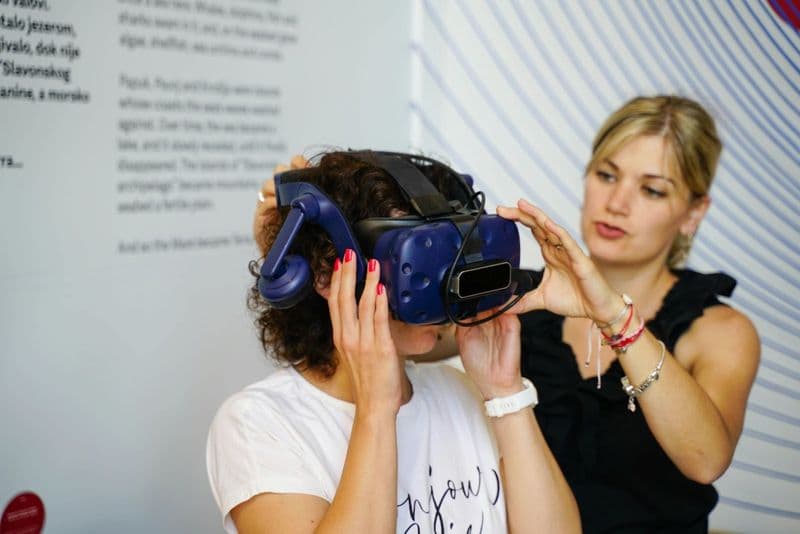
Augmented Reality in tourism overlays digital information like images, audio, animations, or 3D models onto real-world locations to enhance how travelers explore and understand a place. With the help of phone cameras, GPS, and sensors, AR recognizes and scans your surroundings to enhance them by placing digital elements directly into the scene.
In travel, this means standing at a monument and seeing a 3D reconstruction of how it looked centuries ago, pointing your camera at a museum exhibit to watch it animate, or scanning a plant in a park to instantly view species details. AR can translate signs in foreign countries in real time, guide visitors through airports with digital arrows, and even offer immersive hotel previews before you book. By blending digital storytelling with real-world exploration, AR transforms everyday travel into a richer, more intuitive experience.
Why AR Matters in the Travel and Tourism Ecosystem
Augmented Reality is becoming a core part of how modern travelers discover, plan, and experience destinations. With the AR tourism market expected to surge from $29.58 billion in 2025 to $109.13 billion by 2029 (growing even faster than Virtual Reality), it’s clear that travelers now expect richer, more interactive, and more intuitive ways to explore the world.
AR bridges the gap between physical travel and digital convenience, helping people understand places more deeply while making every step of the journey smoother, safer, and more engaging.
How AR Enhances Visitor Experience and Drives Revenue Growth
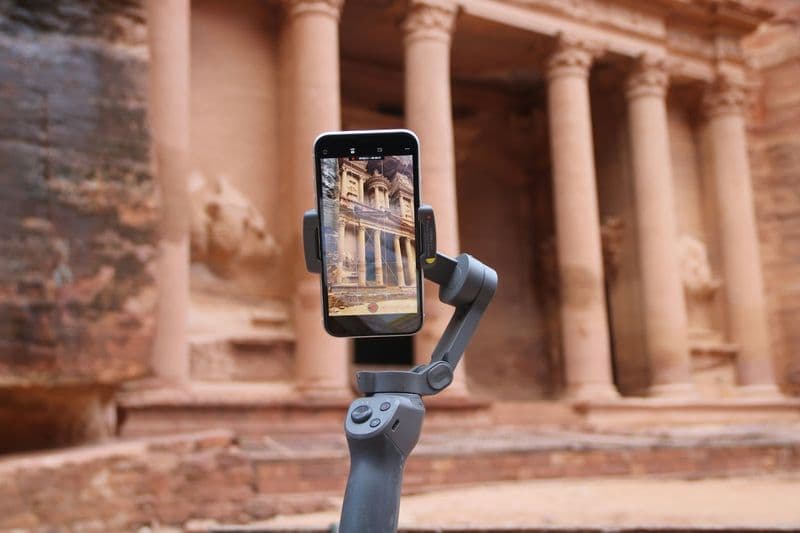
Augmented Reality helps destinations deliver smoother, more memorable experiences while encouraging visitors to spend more time and money on-site. For example, Gatwick Airport’s Passenger App uses AR-assisted wayfinding to guide travelers through terminals with real-time directions. This reduces confusion, improves passenger flow, and lowers missed-flight rates, all of which boost overall airport satisfaction and retail foot traffic.
Similarly, Disney Parks use AR to create immersive games, scavenger hunts, and interactive character encounters that deepen engagement and keep families exploring for longer. These playful digital overlays not only enhance the magic of the parks but also drive higher participation in attractions, merchandise purchases, and repeat visits.
AR’s ability to blend entertainment, convenience, and personalization ultimately strengthens visitor loyalty and generates new revenue opportunities for tourism brands.
Key Use Cases of AR in Tourism
Virtual Landmark Overlays
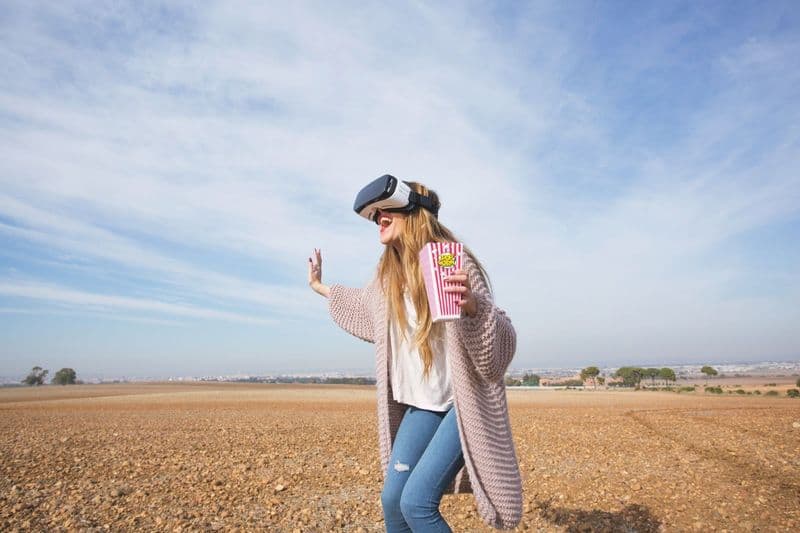
Virtual landmark overlays are a classic example of augmented reality travel guides. Apps like Google Lens and Streetmuseum London let travelers point their phones at landmarks to view historical photos, facts, and 3D reconstructions overlaid on the actual site. This helps visitors understand how places looked through time.
AR Navigation and City Guides
The Gatwick Airport Passenger App offers AR wayfinding with digital arrows guiding travelers through terminals, reducing confusion and missed flights. Google Maps Live View provides similar AR walking navigation in cities worldwide.
Museum And Heritage Storytelling
The Smithsonian’s Skin and Bones app brings skeletal exhibits to life with animations, while AR experiences at Pompeii digitally reconstruct ancient villas and streets, turning history into an immersive, interactive journey.
Hotel and Resort Previews
Brands like Marriott use AR for room and venue previews, letting guests visualize layouts, amenities, and event setups before booking. This leads to more confident decisions and higher conversion rates.
AR-Enabled Travel Itineraries
The City of Barcelona’s WebAR Interactive Tourist Map allows visitors to explore the city through 3D points of interest, AR animations, and guided routes accessible directly from a browser, enriching self-guided discovery.
Gamified Tourism Experiences
Disney Parks’ Play The Disney Parks app offers AR scavenger hunts and character interactions that keep families engaged. Similarly, the Coachella Festival app uses AR to deliver interactive maps, performance info, and digital art overlays, enhancing the festival atmosphere.
Local Dining Discovery
Yelp Monocle overlays restaurant ratings, reviews, and directions onto the real world through a phone camera, helping tourists quickly find the best dining spots nearby without the need for extra research.
Retail And Dining Enhancements
In destinations like Tokyo, AR menus show translated descriptions and 3D previews of dishes, improving accessibility for international travelers.
Wildlife And Nature Interpretation
Parks in Australia and New Zealand use AR apps that identify plants, animals, and geological features when scanned, offering deeper insight into natural surroundings.
Cultural Performances And Festivals
Events like Taiwan’s Lantern Festival use AR to animate lanterns and cultural icons, creating shareable moments that boost visitor engagement and tourism visibility.
Benefits of AR for Travelers and Tourism Businesses
Augmented Reality delivers value on both sides of the travel experience. It makes trips easier and more immersive for travelers while helping tourism brands stand out, streamline operations, and generate higher revenue.
Benefits for Travelers
Stress-Free Navigation: AR wayfinding in airports, train stations, and cities (e.g., Gatwick’s AR navigation and Google Maps Live View) reduces confusion and saves time.
Richer Understanding of Destinations: 3D reconstructions, animated exhibits, and instant translations help travelers connect deeply with culture and history.
More Confident Planning: AR previews of hotel rooms, resort amenities, and attractions make decisions clearer and reduce booking uncertainty.
Immersive Entertainment: Gamified trails, AR characters, and interactive storytelling make travel fun for kids and adults alike.
Benefits for Tourism Businesses
Higher Visitor Engagement: Museums, theme parks, and heritage sites see longer dwell times when visitors interact with AR experiences.
Increased Revenue Opportunities: AR games, add-on experiences, upgraded tours, and interactive shopping features drive more spending.
Improved Customer Satisfaction: Real-time assistance, multilingual support, and personalized guidance boost overall traveler satisfaction and repeat visits.
Stronger Marketing Impact: Shareable AR moments amplify visibility on social media, attracting more tourists and enhancing brand perception.
AR for Museums, Cultural Sites, and Heritage Conservation
Augmented Reality helps museums and heritage sites bring history to life through interactive storytelling. Visitors can point their phones at artifacts or ruins to see 3D reconstructions, animations, or expert-led explanations layered onto the real world.
Examples like the Smithsonian’s Skin and Bones app and AR reconstructions at Pompeii show how AR can deepen understanding, preserve cultural memory, and make learning more engaging without altering the physical site.
Location-Based and Gamified AR Tourism Experiences
Location-based AR turns cities, parks, and attractions into interactive playgrounds. Disney Parks’ Play Disney Parks app and Coachella’s AR experiences weave games, challenges, and digital characters into the environment, encouraging exploration and longer visitor engagement. These gamified experiences not only entertain but also guide travelers to lesser-known spots, boosting foot traffic and local discovery.
App-Less AR: Making Tourism Experiences Accessible to Everyone
Web-based AR removes the friction of downloading apps, allowing travelers to access immersive experiences instantly through a browser. The City of Barcelona’s WebAR interactive tourist map is a strong example. It offers 3D landmarks, guided routes, and interactive elements with a simple scan of a QR code. This lowers barriers to adoption, increases participation, and makes AR accessible to casual tourists and international visitors alike.
Implementation Framework for Tourism Boards and Businesses
A successful AR initiative starts with identifying the right locations, visitor needs, and storytelling opportunities. Tourism boards should begin by mapping high-impact touchpoints such as landmarks, museums, parks, airports, or city centers, where AR can genuinely enhance visitor understanding or navigation.
Next comes content planning: selecting stories, 3D assets, or interactive elements that add value rather than overwhelm. Finally, pilot testing with small visitor groups helps refine usability, accessibility, and narrative flow before scaling city-wide or across multiple attractions.
Key Metrics to Measure AR Tourism Experience Success
Engagement Rate: How many visitors interact with AR content and for how long.
Repeat Interactions: Whether travelers revisit AR points or explore multiple hotspots.
Conversion Metrics: Increases in museum ticket upgrades, attraction add-ons, or merchandise purchases.
Navigation Efficiency: Reduced inquiries, smoother crowd flow, or fewer missed connections (e.g., airport use cases).
Visitor Satisfaction Scores: Post-experience ratings or survey feedback on ease of use and enjoyment.
Social Sharing & Reach: User-generated content, AR photos, and social media mentions that amplify destination visibility.
Operational Impact: Reduced staff load for directions, explanations, or in-person guiding.
Challenges in AR Adoption for Tourism & How to Overcome Them
High Development Costs: Use scalable platforms like WebAR tools to reduce custom-build expenses.
Limited Visitor Awareness: Promote AR features through signage, QR codes, and staff guidance to encourage usage.
Device Compatibility Issues: Prioritize browser-based AR to ensure accessibility without downloads.
Content Overload: Focus on clear, purposeful storytelling instead of excessive 3D elements.
Maintenance and Updates: Keep AR content fresh with seasonal themes, updated maps, and new narratives.
Conclusion
Augmented Reality is reshaping global tourism by enhancing visitor engagement, simplifying navigation, and bringing destinations to life in ways traditional media can’t. With the right strategy, storytelling, and technology partners, AR offers vast potential for tourism boards and businesses to elevate experiences and create memorable journeys for every traveler.
Comments
Your comment has been submitted