What Is Brand Activation? A Complete Guide to Creating Experiences That Drive Results
In 2026, audiences no longer respond to passive marketing. They expect brands to earn attention through relevance, creativity, and meaningful interaction. As digital noise rises across every industry, companies are turning to experiential and immersive approaches to stand out, prompting many marketers to rethink how they show up in the moments that matter. Brand activations have become the bridge between what a company promises and what audiences actually experience.
When executed well, they transform marketing from a message into a memory, driving engagement, emotional connection, and measurable business impact. This article explains what brand activation is, how it differs from standard campaigns, the types of brand activations used today, and the technologies reshaping them.
What Are Brand Activations?
Brand activations are strategic experiences that encourage consumers to engage with a brand memorably. They go beyond broad awareness efforts by creating direct interactions that change perceptions or spark immediate action. These engagements may be physical, digital, or hybrid, depending on the audience and activation goals.
Most companies use brand activations to launch products, build loyalty, or reintroduce a brand narrative. Unlike passive advertising, activations require consumer participation. This is why brand activation marketing often overlaps with experiential events, digital engagements, and interactive technologies.
Difference Between Brand Activations and Regular Marketing Campaigns
While both brand activations and regular marketing campaigns aim to build awareness and drive growth, they operate on fundamentally different levels of engagement.
1. Purpose and Intent
Regular marketing campaigns typically focus on delivering a message, promoting an offer, or driving short-term conversions. These campaigns are more about broadcasting information.
Brand activations aim to create a deeper emotional connection with the audience. The goal is to involve the audience in a way that leaves a lasting impression, fostering loyalty and a strong brand affinity.
2. Level of Audience Interaction
Marketing Campaigns generally push content through traditional channels such as print ads, social media, or email.
Activations, on the other hand, pull the audience in. Interactive activation campaigns invite people to experience the brand firsthand, whether it's through in-person events, digital interactions, or hands-on experiences. The focus is on participation, where customers engage directly with the brand in a meaningful way.
3. Depth of Experience
Campaigns are linear and controlled, delivering a single central message across multiple platforms.
Activations are multidimensional experiences delivered through brand activation activities. They combine storytelling, environment design, sensory elements, and behavior-triggering touchpoints to create a lasting impression.
4. Emotional vs. Informational Impact
Campaigns often focus on information, comm, highlighting benefits, features, promotions, and brand positioning.
Activations, however, are about creating an emotional connection. Whether through interactive brand activation campaigns or unique experiences, activations create an emotional anchor that helps audiences internalize the brand's values.
5. Timespan and Longevity
Campaigns are usually short-term initiatives, lasting for a few weeks or months with a specific objective.
Activations may be short-lived in execution but long-lived in impact, generating content, word of mouth, and cultural moments that carry beyond the event itself.
6. Measurement and Success Metrics
Marketing campaigns are typically measured by traditional metrics like reach, impressions, click-through rates (CTRs), and conversion rates.
Activations look at engagement depth, including participation rates, dwell time, sentiment, brand affinity, and post-experience behavior.
In short, Regular marketing campaigns aim to communicate, while brand activations aim to connect.
Types of Brand Activations
Brands employ various activation formats depending on goals, audience preferences, and channel mix. Below are the most widely used types of brand activations:
Experiential Activations
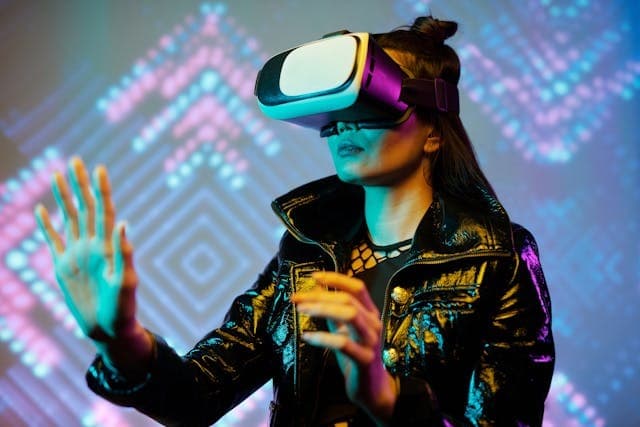
These include pop-ups, immersive rooms, in-store installations, and product try-ons. They focus on sensory engagement and emotional impact. Experiential marketing is known for driving high recall and strong brand affinity.
Example: Coca-Cola’s “Share a Coke” Campaign
Coca-Cola replaced its brand name on bottles with popular names, inviting consumers to find a personalized bottle and share it with friends. This emotional yet simple experience created widespread social media engagement and strengthened brand affinity.
2. Interactive Activations
Interactive brand activation campaigns invite the audience to engage directly with the brand, often using technology, games, or contests. These activities encourage two-way interaction, deepening the relationship between the consumer and the brand.
Example: Doritos’ “Crash the Super Bowl” Campaign
Doritos invited fans to create and submit their own Super Bowl commercials as part of a contest. This interactive activation engaged fans creatively, turning them into brand ambassadors and generating buzz during one of the biggest TV events of the year.
3. Digital/Virtual Activations
Virtual or digital brand activations leverage technologies such as Augmented Reality (AR) and Virtual Reality (VR), as well as social media platforms, to engage consumers online. These activations are perfect for reaching global audiences and creating innovative experiences without geographical constraints.
Example: Gucci’s Virtual Sneakers on Snapchat
Gucci launched a line of virtual sneakers available for purchase in the digital world, but not to be worn in real life, marketed through Snapchat filters. This unique virtual activation leveraged the appeal of digital fashion and tapped into the growing trend of virtual goods.
4. Event-Based Activations
Event-based brand activations take place at live events, such as trade shows, festivals, or product launches, where brands engage audiences in real time. These events are designed to create buzz and provide consumers with memorable, hands-on experiences.
Example: Samsung’s Galaxy Note 7 Launch Event
At the launch of the Galaxy Note 7, Samsung created an interactive event where guests could try out the phone’s features in immersive, real-world scenarios. The event generated excitement and allowed attendees to experience the device firsthand before its release.
5. Social Media Activations
Social media brand activations involve creating campaigns that engage users on platforms like Instagram, Facebook, or TikTok. These activations often include hashtags, influencer collaborations, or viral challenges to boost brand visibility and engagement.
Example: Starbucks #RedCupContest
Every holiday season, Starbucks encourages customers to share photos of their festive red cups using the hashtag #RedCupContest. This social media activation creates viral content and drives customer participation, making it a key part of Starbucks’ holiday marketing.

6. Product Sampling and Giveaways
Product sampling and giveaways are common brand activation activities where brands give consumers the chance to try a product before purchasing. This activation is an effective way to build trust and drive sales through hands-on engagement.
Example: Sephora’s Beauty Classes
Sephora’s free beauty classes let customers try out new products while learning makeup techniques from professionals. These in-store activations encourage product trials, increase foot traffic, and foster customer loyalty.
7. Cause-Related Activations
Cause-related activations link the brand with a social cause, showing the company’s commitment to making a positive impact. These campaigns encourage consumers to support both the brand and a meaningful social issue, driving brand loyalty.
Example: TOMS’ “One for One” Campaign
TOMS Shoes’ One for One campaign donates a pair of shoes to a child in need for every pair purchased. This cause-related activation has been central to TOMS’ brand identity, driving consumer loyalty among those who value social responsibility.
8. Guerrilla Activations
Guerrilla brand activations use unconventional, low-budget tactics to surprise and engage people, often in public spaces. These activations are designed to generate buzz and word of mouth, using creativity to make a big impact with minimal resources.
Example: Burger King's “Whopper Detour”
Burger King launched a guerrilla activation offering customers a $0.01 Whopper if they used the app to order while near a McDonald's. This cheeky campaign drove app downloads and created a buzz around the brand’s competitive, fun personality.
Core Elements of a Successful Brand Activation
A high-impact activation requires careful alignment of strategy, creativity, and execution. The core elements include:
1. Clear Goal Definition
Brands must specify whether the activation aims for product awareness, trial, conversion, or loyalty. This clarity drives format choice and measurement.
2. Audience Insights
Understanding motivations, behaviors, and barriers ensures the activation delivers value.
3. Strong Creative Concept
Creativity distinguishes a memorable activation from a forgettable one. Concepts should be interactive, relevant, and aligned with the brand promise.
4. Seamless Participation
Consumers should be able to engage easily, without app downloads or long steps. This is why MR brand activations and app-less AR have gained traction.
5. Integrated Channel Support
Paid media, influencers, sales teams, and CRM workflows must support activation to achieve extended reach and continuity.
6. Real-Time Measurement
Tracking participation, sentiment, and conversions ensures that insights guide future activations. Most brands deploy dashboards or integrated analytics tools to monitor these metrics.
Digital Transformation of Brand Activations
Digital transformation has expanded what is possible in brand activation marketing, especially as consumer behaviors shift toward mobile-first experiences. Brands increasingly use interactive websites, social media mechanics, and immersive technologies to create moments that travel beyond physical locations.
The rise of app-less AR, browser-based MR, and geolocation-triggered experiences enables activations that are accessible anywhere in the world. Digital tools help brands personalize interactions, collect feedback instantly, and amplify participation through shareable content.
Role of AR, MR, and Interactive Tech in Modern Activations
AR and Mixed Reality have redefined how brands create immersive, high-impact engagement. These technologies turn static experiences into interactive stories, allowing consumers to visualize products, explore environments, or participate in gamified actions.
Augmented Reality (AR)
AR overlays digital elements onto the physical world. Brands use AR for try-ons, product demos, navigational guides, and collectible experiences. App-less AR has accelerated adoption by removing friction and increasing participation rates.
Mixed Reality (MR)
MR blends physical and digital layers with spatial understanding. Modern MR does not require headsets; browser-based MR uses computer vision to anchor experiences in real environments. This makes MR brand activations suitable for retail, events, and outdoor installations.
Interactive Technologies
Gamification engines, gesture-control systems, holograms, and immersive audio solutions are now common in immersive brand activations. They create more profound emotional impact and help brands stand out at trade shows or pop-up events.
How Flam Helps Brands Create High-Impact Activations
Flam enables brands to build memorable, scalable, and measurable activations using advanced spatial computing technologies. Its platform supports app-less AR and MR experiences, making participation effortless for audiences.
Brands can use Flam to transform static print ads into interactive experiences without custom app development, increasing adoption rates and reducing friction.
Key capabilities include:
Spatial anchors for precise MR interactions.
Contextual AI to transform your ideas into immersive ads
Real-time analytics for engagement measurement.
Scalable cloud delivery for high-traffic campaigns.
Hybrid activation support across physical and digital touchpoints.
Flam’s technology helps brands deliver unique brand activation events, deepen storytelling, and increase participation across diverse industries, from retail and electronics to entertainment and automotive.
Step-by-Step Framework for Planning a Brand Activation
Brands can benefit from a structured approach when planning activations. Below is a recommended framework aligned with current industry standards:
Define Objectives: Clarify what the activation must achieve: awareness, conversion, product trial, or loyalty.
Identify Audience Segments: Use demographic, psychographic, and behavioral insights to shape activation design.
Develop the Creative Concept: Craft a concept aligned with brand values and audience motivations. Incorporate interactive elements where relevant.
Choose Activation Format: Select from physical, digital, hybrid, or MR-driven formats based on goals and budget.
Build the Experience: Design assets, mechanics, and messaging. Ensure seamless participation and frictionless entry.
Plan Deployment Logistics: For events, this includes vendor coordination, site permissions, hardware setup, and staffing. For digital, it includes testing, device compatibility, and security checks.
Launch and Promote: Support the activation with paid media, influencer collaboration, internal communication, and CRM-driven reminders.
Collect and Analyze Data: Monitor engagement, sentiment, and conversions. Use these insights to optimize real-time performance.
Evaluate and Document Learnings: Review outcomes against KPIs and extract learnings that enhance future brand activation activities.
Key Metrics to Measure Brand Activation Success
Measuring a brand activation requires more than basic event attendance or digital impressions. Brands must track both quantitative and qualitative indicators to understand impact. The following metrics reflect commonly accepted standards:

1. Engagement Rate
Measures interactions such as taps, scans, swipes, dwell time, and participation levels. Higher engagement indicates stronger relevance and experience design.
2. Conversion Actions
Includes sign-ups, product trials, purchases, downloads, or lead captures. Conversion metrics help prove ROI for brand activation marketing.
3. Sentiment and Feedback
Consumer reactions, survey responses, and social mentions offer insight into emotional impact. These metrics evaluate whether the activation improved brand perception.
4. Reach and Amplification
Tracks how far the activation content traveled across digital channels. Shareability is essential for modern brand activation campaigns.
5. Footfall and Traffic Flow
For physical activations, traffic heatmaps and entry counts show how well the activation attracts attention.
6. Return on Experience (ROX)
A holistic measure that connects consumer delight to business outcomes such as retention or repeat behavior.
7. Cost Efficiency
Comparing spend to engagement quality helps optimize future brand activation strategy.
Common Mistakes in Brand Activations & How to Avoid Them
Many brands invest heavily in activations but miss opportunities due to execution errors. Avoiding common pitfalls ensures that brand activation events deliver measurable impact.
1. Lack of a Clear Objective
Activations without a well-defined goal lead to unfocused experiences. Brands should set KPIs before creative development begins.
2. Overcomplicated User Journeys
Long steps, app downloads, or unclear instructions reduce participation. App-less AR and browser-based MR eliminate friction.
3. Misalignment with Audience Needs
When activations prioritize spectacle over relevance, engagement suffers. Strong audience research prevents this gap.
4. Underestimating Logistics
Insufficient staffing, technical failures, or poor venue planning can ruin an activation. Detailed planning and testing mitigate risks.
5. Neglecting Post-Activation Follow-Up
Without follow-up workflows, captured leads and excitement fade quickly. CRM journeys and remarketing help extend value.
6. Not Measuring the Right Metrics
Relying solely on impressions or footfall gives an incomplete picture. Brands need deeper engagement analytics to optimize future campaigns.
Future Trends in Brand Activations
The future of brand activation campaigns is shaped by technological innovation, changing consumer expectations, and the growing demand for personalized experiences.
Immersive Technology: AR, VR, and MR will become standard components of physical activations, adding interactive, context-aware storytelling to real-world environments.
App-Less Interactivity: Consumers prefer instant access. Web-based AR and MR will dominate because they remove download friction.
AI-Driven Personalization: AI will tailor interactions in real time, adjusting content based on user behavior, preferences, or location.
Remote Participation for Physical Events: Hybrid activation models will expand, allowing consumers to join pop-ups, launches, or exhibits virtually.
Sustainable Activation Design: Brands will use reusable digital assets, recyclable materials, and energy-efficient technologies to meet sustainability expectations.
Data-Rich Experience Mapping: Advanced analytics will help companies understand emotional responses and behavioral patterns during activation journeys.
Conclusion
Brand activations remain one of the most effective ways to drive engagement, loyalty, and immediate action. With clearer strategies, stronger storytelling, and the integration of AR and MR, brands can design experiences that create meaningful connections.
Companies adopting scalable digital tools and hybrid formats will stay ahead as consumer expectations evolve. Understanding what is brand activation helps organizations move beyond passive communication toward interactive, measurable, and impactful engagement.
Bring your campaigns to life with Flam’s Mixed Reality platform. Create immersive, shareable experiences that capture attention and deliver measurable impact. Connect with Flam and activate your brand in a whole new way.
Comments
Your comment has been submitted